Scanning for malicious packages at deployment catches issues already inside your environment. Scanning at the pull request catches what your CI pipeline already ran. If security controls don’t see a malicious package until after ingestion, it already has multiple chances to execute.
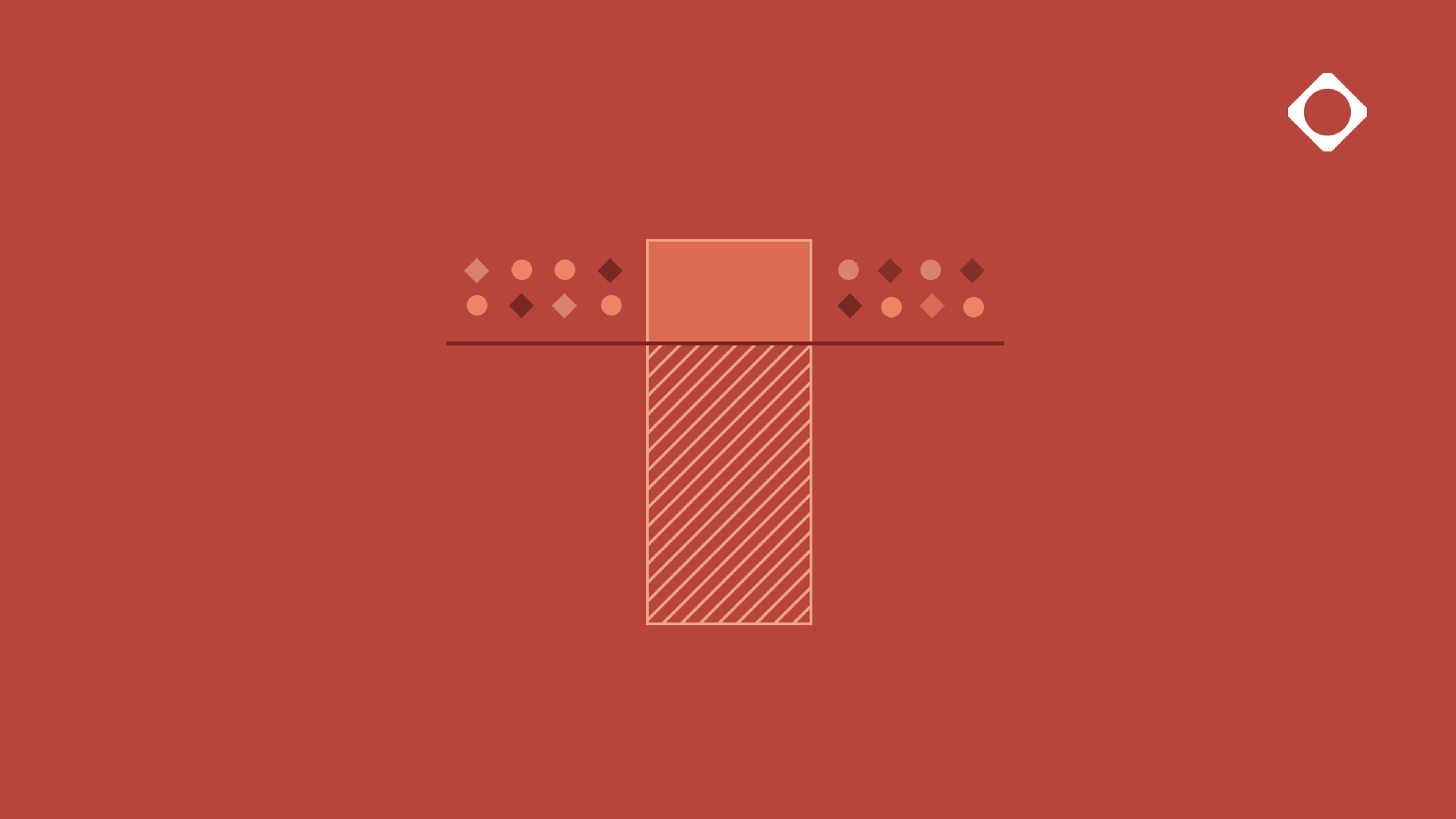
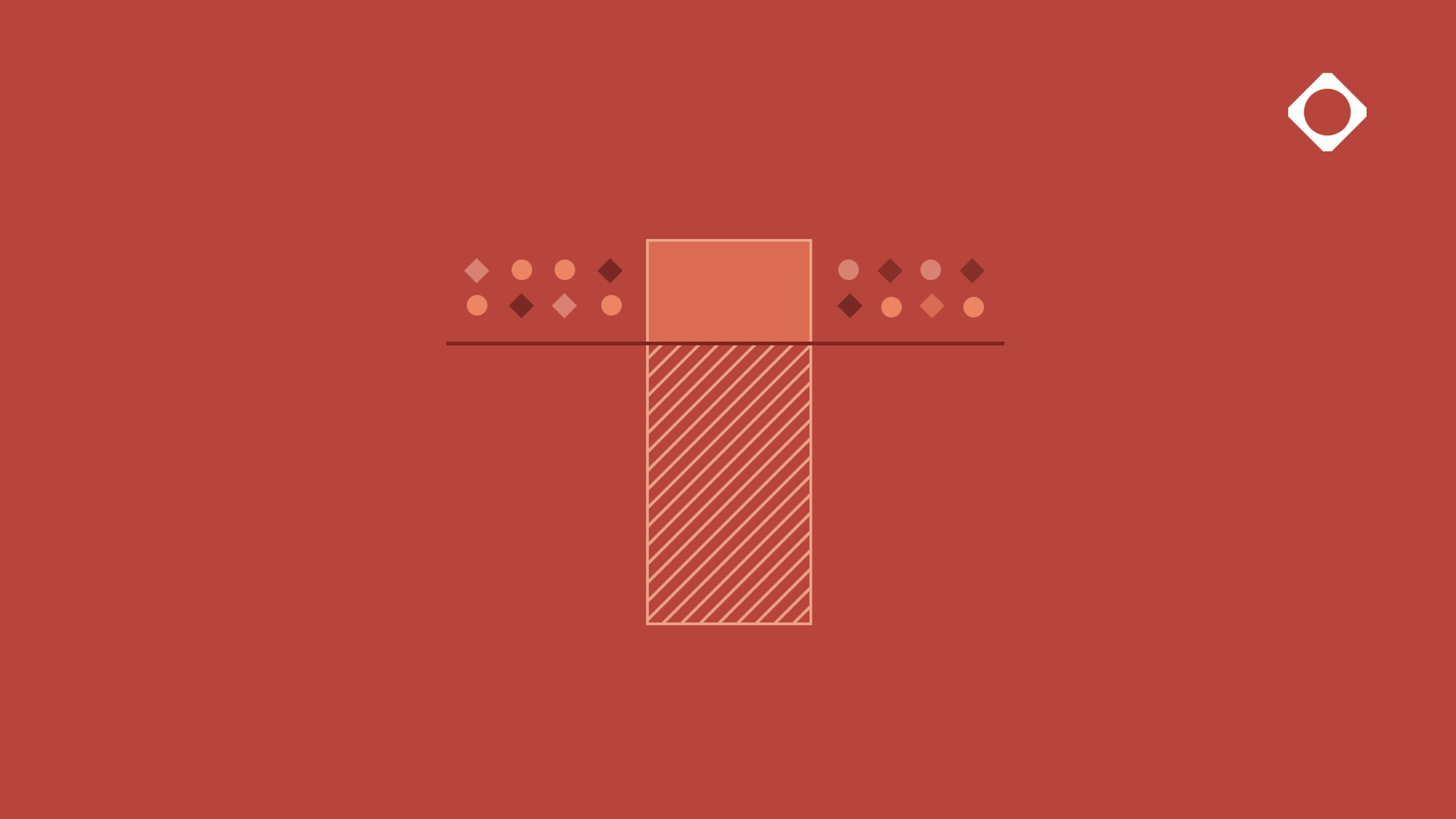
This is an architecture problem that requires an architectural answer. A dependency firewall is that answer. It’s a security posture that places guardrails between your development environment and public registries, evaluating what enters before any build runs.
How malicious packages enter your build environment without inspection
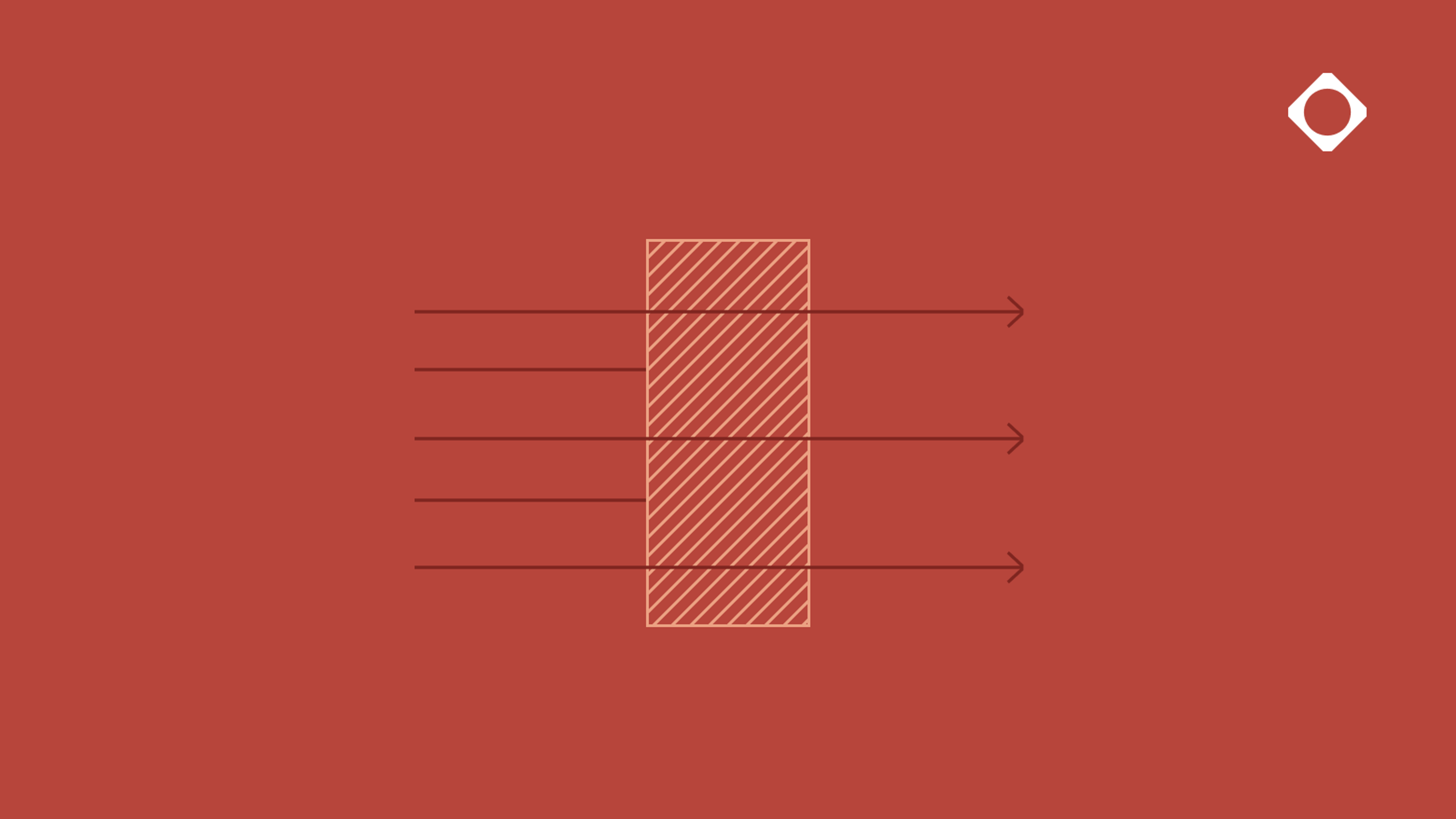
Build tools connecting directly to public registries like npm, PyPI, Maven Central, and Docker Hub, and packages arriving as requested is a common approach to open source software consumption. When scanning runs at the pull request, in the pipeline, or at deployment, the package is already inside your environment.
Software composition analysis (SCA) tools identify known vulnerabilities in packages already present in a codebase. That's genuinely useful. But even with the best scanners, an architectural gap exists between ingestion and where the first scanner sits. Establishing a control point in that gap allows teams to better govern the packages that enter their environments.
Two patterns produce this gap consistently.
- The first is when no artifact management exists at all and developers pull directly from public registries. Teams can’t implement security controls because the layer necessary to do so isn’t in place.
- The second, and it’s more common than most organizations realize, is when an existing artifact management tool handles the storage of software artifacts but enforces no security controls on the consumption of those artifacts (for example: AWS CodeArtifact or GitHub).
A third pattern is emerging due to the use of AI coding tools.
- These agents generate code that expands the attack surface faster than most security programs have adjusted for. Tools like Cursor, AI-assisted editors, and LLM-powered agents recommend and install packages as a normal part of their workflow. Teams need governance that can match the pace of AI-powered development.
Developers tend to accept those recommendations without the scrutiny they'd apply to a manual dependency addition. The packages arrive through the same registries and the same pipelines as they would with manually-written code, but the human review step between "the model suggested it" and "it's in the project" is often gone.
Modern attacks execute before the scanner runs
The latest supply chain compromises exploit trusted open source packages. The Axios, LiteLLM, and the Shai-Hulud attacks succeeded because they targeted specific packages developers already trusted and executed payloads at install time – before any scanner ran.
Cloudsmith's analysis of 2025 OSV.dev data, comparing when malicious versions were published to npm against when OSV flagged them, shows that 99 percent of npm package compromise attacks are identified within 72 hours of publication. A package scanned within that exposure window looks clean because no malware identifier exists yet. By the time the community flags the threat, pipelines are already running it.
Scans are snapshots – threat intelligence isn't
There's a second failure mode related to scanning that plays out more slowly. A package enters your environment, the scanner runs, nothing matches, and it's marked clean. That evaluation is correct at that moment because no known vulnerability exists. Then six months later, a researcher discloses a critical CVE. Nothing triggers a re-evaluation, so the original point-in-time scan remains the most recent one and the package is still in production.
An example of this is the Log4Shell vulnerability in Apache Log4j. That package existed in production codebases for years before threat intelligence identified the vulnerability. The problem in cases like this is when you treat a one-time evaluation at the boundary as permanent clearance.
New advisories arrive constantly for packages that evaluate as clean at ingest. A scanner that runs once, when a package first arrives, doesn't protect against what threat researchers find next month or next year. The scan result ages out the moment new intelligence contradicts it.
That said, scanning remains essential. But the fluid nature of supply chain threats, packages that evaluate as clean at ingest and become risks as new intelligence emerges, reveals a gap that point-in-time evaluation can't close on its own. Addressing it means supplementing scanning with controls that operate earlier in the process, before packages enter an environment where they can execute.
The control point that doesn't depend on developer behavior
A dependency firewall addresses both failure modes described above by changing where and when evaluation happens. The first is early detection at the boundary: identifying threatening or malicious dependencies before they enter your environment, rather than after they had the chance to execute. The second is ongoing assessment: unlike a scanner that runs once and treats the result as permanent, this posture evaluates continuously as new threat intelligence arrives. A package that cleared evaluation at ingest doesn't remain cleared by default; it remains cleared only if current intelligence still supports that conclusion.
Developers start their work with packages that clear those guardrails, meaning the inputs to their work are more likely to be secure from the start. Vulnerabilities, threats, and license flags caught at the boundary save considerable rework compared to discovering the same issues in a PR review, a pipeline scan, or a post-incident forensic report.
For the vast majority of packages that clear evaluation, the process is entirely transparent and frictionless to developers. When friction occurs, like disabled scanner plugins, skipped linting rules, and manual approval workflows, developers create workarounds. Developers don’t need to bypass a control they don’t interact with. Compliance that relies on structural enforcement is more reliable than manual, behavior-based approaches.
For security and DevSecOps teams, the value is consistency at scale. Every developer, every AI agent, every pipeline, and every team in the organization hits the same guardrails. Policy applies universally and automatically, closing the gap between what policy says and what enforcement carries out.
A dependency firewall posture doesn't replace the scanning you already have. It moves the trust decision to the ingestion boundary, so your team uses safe, evaluated packages before anyone writes a line of code.
For a practical guide to building a dependency firewall, covering controlled ingestion, continuous policy evaluation, and the OPA-backed policy engine, read How to use Cloudsmith as a dependency firewall.
Or book a demo to see it in action.